
How to Play the Klondike Opening
The opening is where Klondike feels easiest and loses the most value. The edge comes from turning hidden cards, freeing Aces, and keeping the first empty column for the King that actually needs it. Many hands do not go bad in the midgame. They go bad when the first few moves spend the order too cheaply.
Four opening priorities
Read the hidden cards first
The opening begins with the columns that are one move away from a reveal, not the column that already looks smoothest.
Ask the empty column about Kings
Clearing space matters only if a King or King-led run can actually take it.
A tidy surface is not progress
A long pretty build means little if it does not flip a hidden card, free an Ace, or open a real landing spot. The opening does not have to look smooth. It has to stay live.
The first move needs a next move
If the landing spot after this one is already unclear, this first move is probably only cosmetic.
Ask these before the first waste pass
Should I pass the waste immediately?
Usually no. Turn what you can on the board first, unless the waste is the only path to a buried Ace or a necessary reveal. The first cycle is expensive because one wasted pass can cost the whole opening.
Is chasing the first empty column worth it?
Only when a King can claim it, or the clear itself turns a key hidden card. Space without a King plan is usually a trap.
Should an early Ace always go home?
A safe Ace usually should. If that Ace is still the only landing spot holding a useful ladder together, wait until another route exists.
What if the first Draw 3 waste cards are all stuck?
Do not panic into another pass. Recheck the cascades for a reveal line, and undo if the previous pass just buried your only helper. Many openings are not dead. They are only buried one cycle too deep.
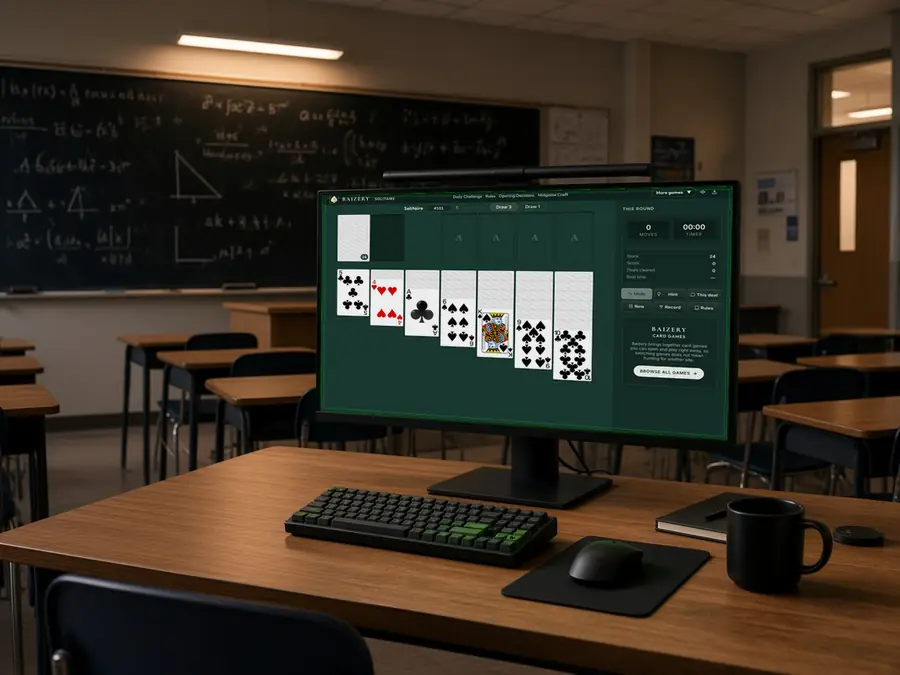
Turn the card that matters first
A move that turns a hidden card is usually worth more than a move that only extends a face-up run. The opening does not reward pretty shape. It rewards the reveal that keeps the hand alive.
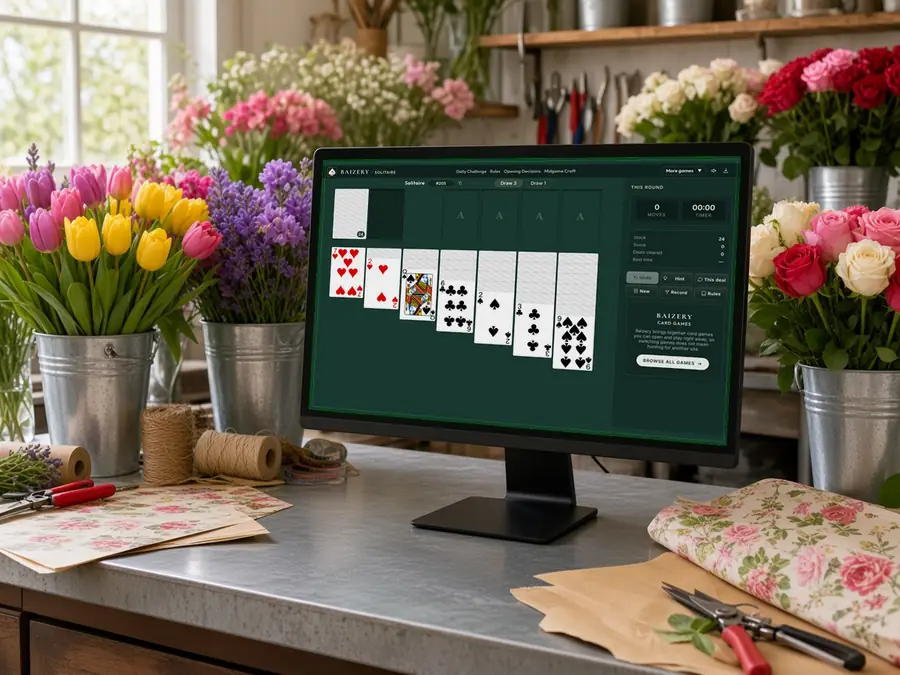
Do not lie to yourself about the first empty column
If the first empty space is not being saved for a King, the hand is already paying interest on a bad decision. Empty space is only valuable when the right King can actually claim it.
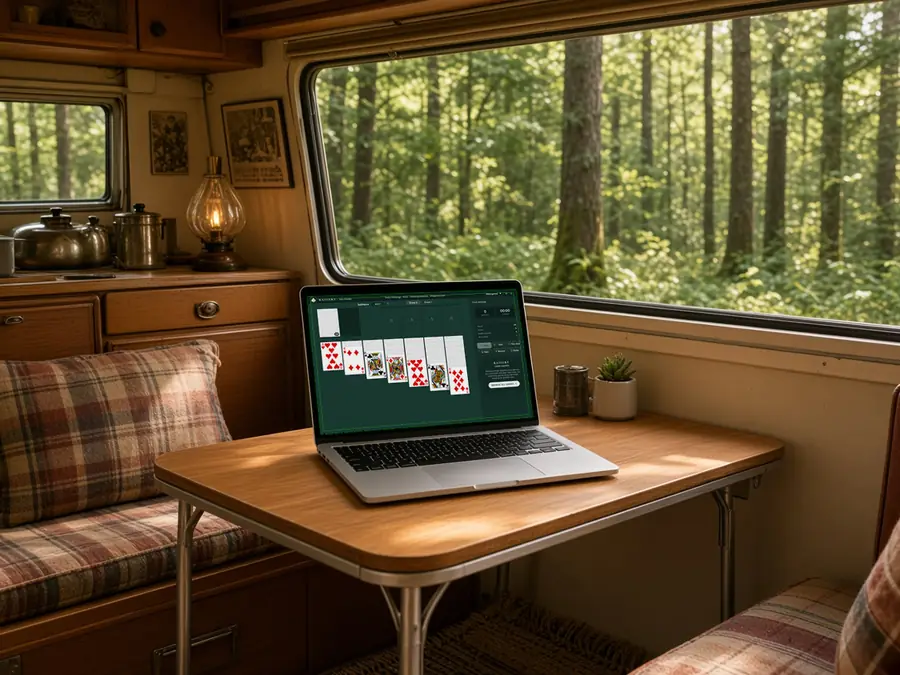
The first waste cycle should be slow
In Draw 3, the early waste cards set the tempo. Use what is already live before you bury the next useful card. A fast first cycle often means you spend the rest of the hand paying it back.
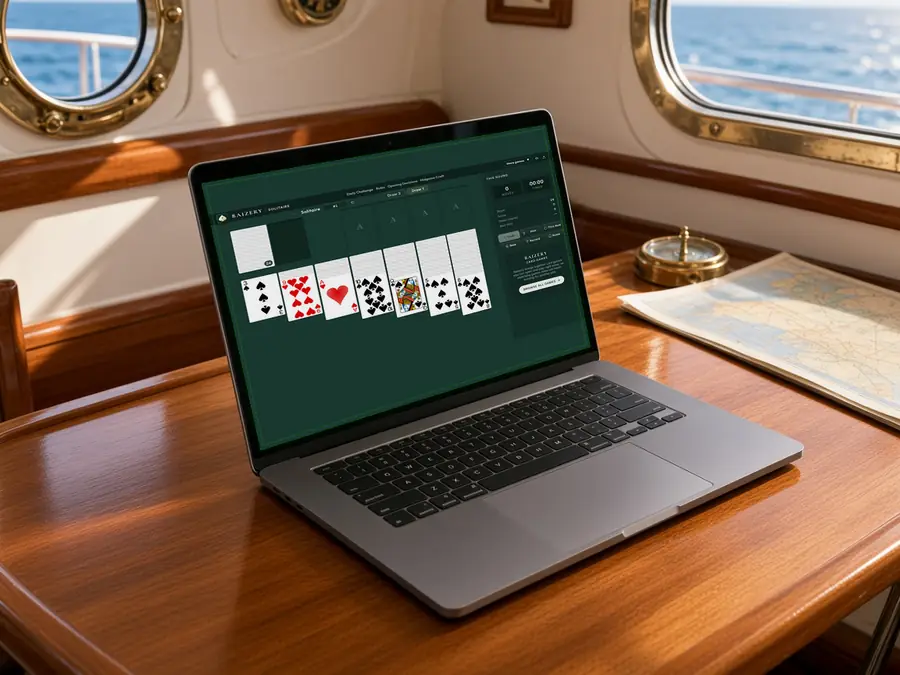
Foundations can wait one move
An early 2 is usually safe. A card that still holds a working ladder together often is not. Klondike openings are not won by racing cards home. They are won by keeping routes open.
Six checks before the first line settles
Reveal FirstDoes this move turn a hidden card?
Ace RouteDoes it get an Ace or two closer to home?
King PlanIf you clear the column, can a King actually take it?
Waste TopBefore another pass, can the waste top still move?
Next LandingAfter this move, where does the next card go?
Undo RoomIf the read is wrong, can you reverse before the next pass makes it worse?
Opening FAQ
What should I look at first in the opening?
Count the hidden cards, locate the buried Aces, and check whether a King already has room waiting for it.
Is clearing a short column always good?
Only when a King can claim it, or the clear itself reveals something important. Otherwise you may just create a hole you will fill badly.
Is using Undo in the opening a bad sign?
No. One early mistake with the only empty column can ruin the whole hand. Undoing early is often the correct skill.
Should I practice openings in Draw 1 first?
It is a good training path. Draw 1 makes the waste easier to read. Draw 3 demands better order discipline.
What is the most expensive opening mistake?
Spending the first empty column on a non-King and then passing the waste until the real King disappears into the back.
Carry it into the midgame
Keep the reveal habit
If a move does not turn a hidden card, free an Ace, or prepare a King landing, ask whether it is only making the surface prettier. The most valuable opening move is rarely the most comfortable one.
Next up
Once the first empty column and the first waste cycle are stable, read the midgame guide and then go play a hand. If the opening read is right, a lot of hard middlegames arrive already lighter.