
Klondike
Local record
Keep the order of every hand clear
0
Wins
—
Best time
—
Fewest moves
Cleared deals
This record lives in the current browser only. There is no account, and nothing is synced to another device. Clearing site data, or the button below, removes it.
This cannot be undone. Clear the record stored in this browser?
A legal move is not the same as a winning move
The hard part in Klondike is not the rules. It is the order. One deck deals into seven cascades, and the surface usually shows plenty of legal moves. The hands that matter turn on a few calls instead: which hidden card should turn first, which Ace can go home now, which King really owns the first empty column, and whether this waste pass buries the only helper you still had.
Get these four calls right before the hand tightens
Am I turning a hidden card, or only making the tableau look tidy?
The move that turns a hidden card, frees an Ace, or brings the next buried card closer usually beats the move that only smooths out a long run. Klondike hands rarely die because the surface looked messy. They die because the right card never turned.
Which King is the first empty column really for?
An empty column is not a reward. It is the rarest landing spot in the whole hand. If no King, or no real King-led follow-up, is ready for it, do not spend it on a convenient middle card.
If this Ace goes home now, does it open the hand or break a ladder?
Safe Aces and twos often belong on the foundations early. But if sending one home snaps the red-black ladder that is still holding the hand together, wait. Klondike is not won by sending cards home first. It is won by keeping the hand alive longer.
What gets buried if I burn this waste pass?
In Draw 3, the expensive mistake is not missing a card. It is seeing the right card and still pushing it farther back. Before you click again, check whether the current waste top still has a landing spot and which helper disappears if this cycle goes past.
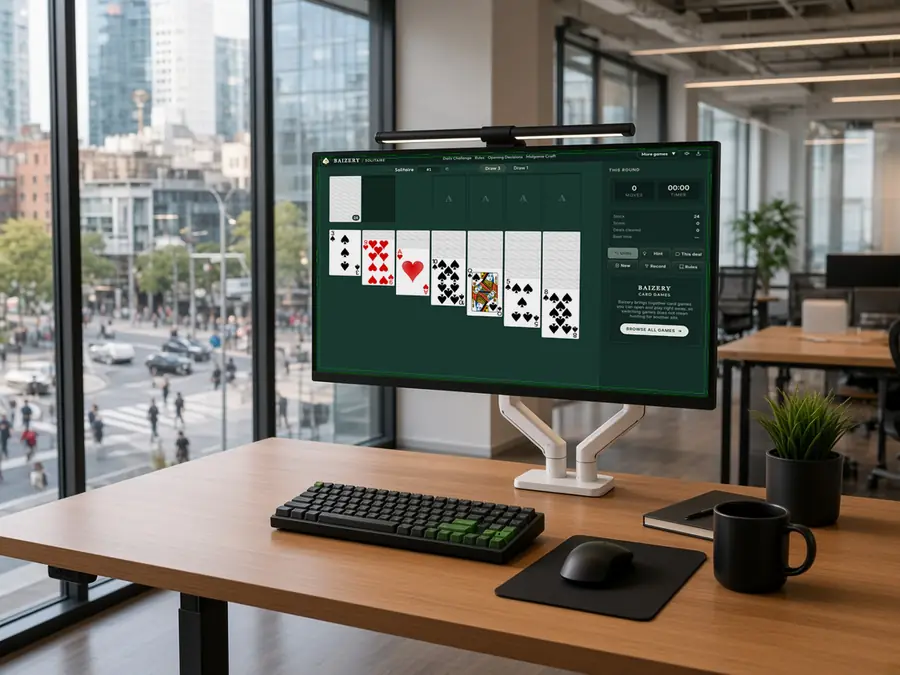
Turn the card that matters first
Do not chase smooth-looking runs on move one. Start by asking which cascade is only one step away from the next reveal. Many hands are not lost at the opening move itself. They are lost because the card that needed to turn never did.
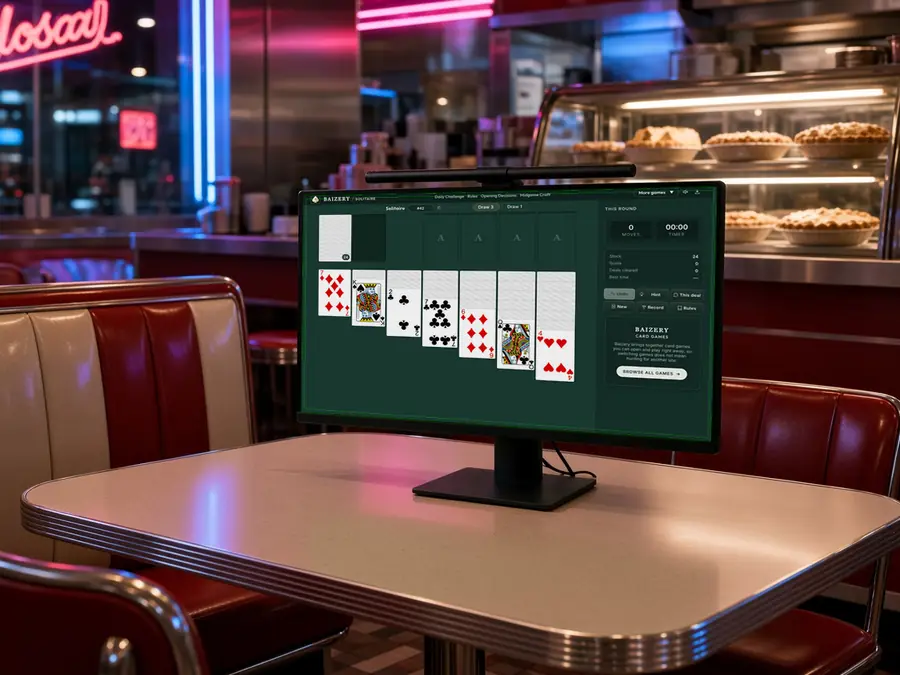
A King landing is worth more than the empty space
An empty column only matters when a King can claim it. The real question is not whether you can clear a cascade. It is which King takes over afterward, and whether that line keeps the hand alive instead of freezing it in place.
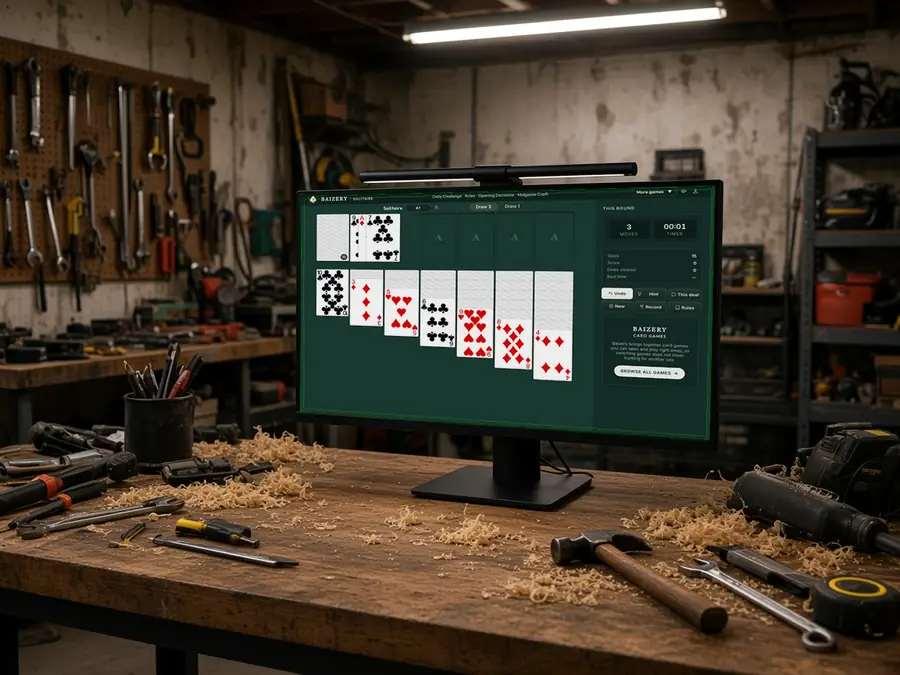
The waste is where order gets expensive
Draw 3 can fan up to three waste cards, but only the top one moves. Passing again before that card is spent is often not progress. It is how the helper you still needed gets buried for another cycle.
Turn Hidden Cards FirstWill this move expose the next hidden card? If not, ask whether it is only cleaning the surface.
Give the King a Real HomeBefore you clear a column, know which King takes it. Without that answer, the space is probably not worth much yet.
Do Not Send the Ace Too EarlyIf this Ace or two goes home now, does it break a red-black ladder the hand still needs?
Check the Waste Top FirstIf the waste top still has a landing spot, do not rush into another pass. Many good cards get buried by their own side.
Name What the Next Pass BuriesBefore Draw 3 turns again, call out which key card is most likely to be pushed deeper.
Can You Undo This in TimeIf this judgment is wrong, can you still back out before the waste cycles again?
Frequently Asked Questions
Where do most Klondike losses really happen?
Usually not at the end. The hand often goes bad earlier, when the hidden card never turns, the first empty column gets spent too soon, or one extra waste pass buries the only helper you had left.
What is the real difference between Draw 1 and Draw 3?
Draw 1 turns one card at a time, so more of the deck stays reachable. Draw 3 turns three at once, and only the top waste card can move. That makes order and memory matter much more. The home page defaults to Draw 3 because that is the version most players actually use.
Can foundation cards come back down?
Yes. If the tableau accepts the landing, a foundation card can come back down. It costs score, but sometimes that is exactly what reconnects a ladder that was about to break.
Should I trust Hint?
Hint highlights a legal move in the current position. It is useful for catching misses, but it does not tell you whether the move makes the waste order tighter or looser.
Why do some hands look smooth and still lose?
Because a smooth surface is not the same as a live hand. You can connect plenty of red-black cards and still fail to turn the key hidden card or leave a real landing spot for the King that matters.
Why reopen a hand by deal number?
Because the same deal number, under the same draw mode, always gives you the same hand. That lets you review the real turning point: which pass was early, which Ace was sent home too soon, or which empty column was spent on the wrong card.