
How to Play the Klondike Midgame
Many Klondike midgames are already lost while the hand still looks active. The waste buries the connector, the empty column gets spent on the wrong card, and the foundations quietly strip the last ladder that was still doing work. Midgame is not about cashing one more card. It is about keeping the hand alive.
Four things not to lose in the midgame
Pass the waste for a reason
Go again only when the waste top is truly dead or the next cycle is likely to open a real route. Midgame punishment is not one pass too few. It is the pass that buys nothing.
Empty columns need real work
A free column should rebuild a blocked lane under a King, not store the first card that happens to fit.
Protect the landing spots
A legal move can still be wrong if it spends the only card that was holding the next landing spot open. Many hands do not die at the finish. They die when the landing spots are quietly spent.
Do not send away your last retreat
Before you move, ask whether the King space, the waste top, and the working ladder are all still safe.
Ask these four when the hand tightens
When should I recycle the waste?
Recycle after every live waste move is spent and the cascades are no longer revealing new information. Recycling is not a habit. It is a cost. You are not resetting the hand. You are repricing the order.
When is it actually safe to keep sending cards home?
When the remaining tableau no longer needs those low cards as ladder support and the waste is not relying on them as temporary landing spots.
Should I split a long alternating run?
Yes when it turns a hidden card, opens a King landing, or rescues a waste card. No when it only makes the columns look cleaner.
What if the foundations are outrunning the cascades?
Slow them down. A fuller foundation can still be a worse position if you just stripped the last working ladder out of the board. Midgame is not lost by sending one card home too late. It is lost by sending the route home too soon.
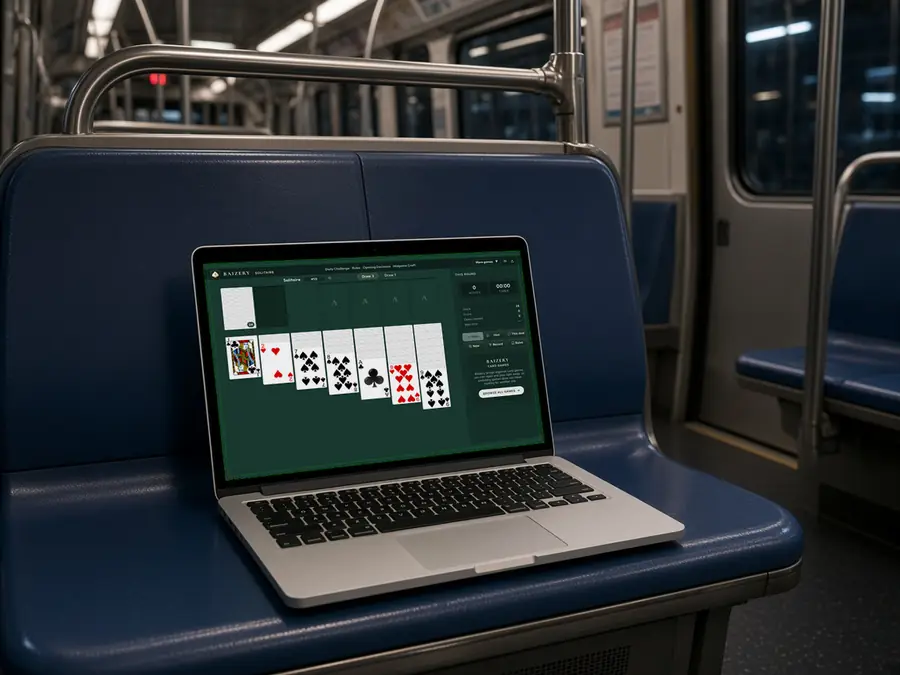
The waste is not refill. It is a countdown.
Each pass reorders what you can touch next. Midgame skill is knowing whether the waste top still matters and whether another cycle will solve anything at all.
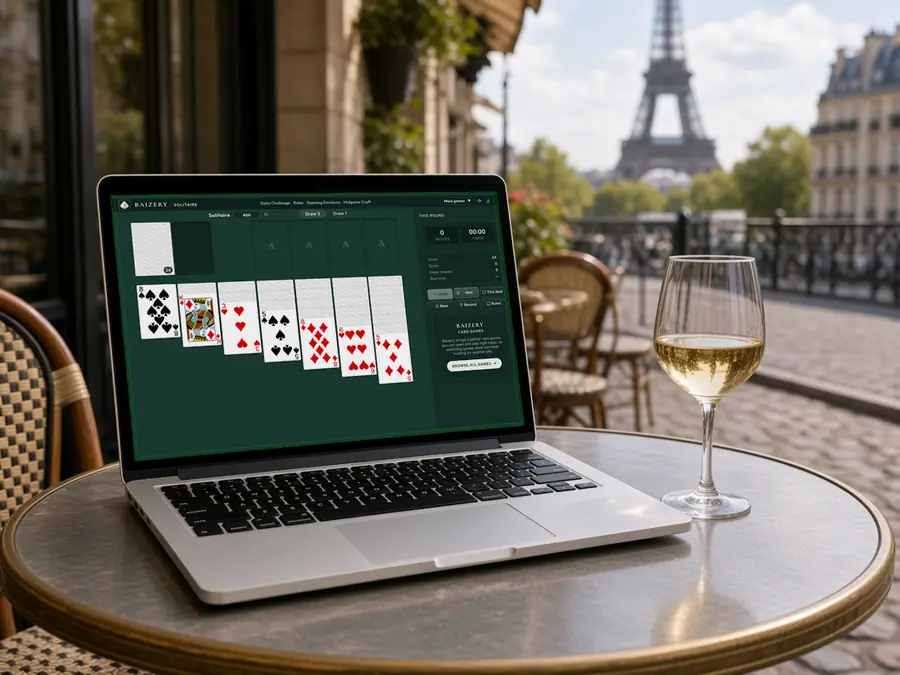
Kings are infrastructure
An empty column without a live King plan is not an asset. It is debt waiting to come due. Empty space is not the prize. The King that can actually use it is.
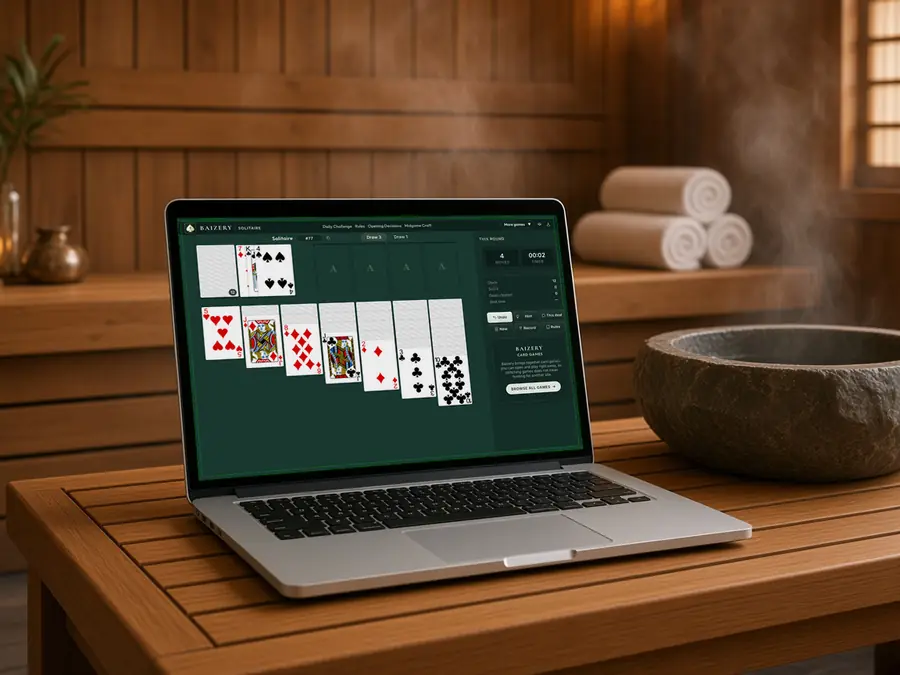
Greedy foundation play loses late
Sending a card home is right when it frees a reveal or clears a blocker. It is wrong when that card is still the only bridge between two colors. Faster foundations do not always mean a healthier hand.
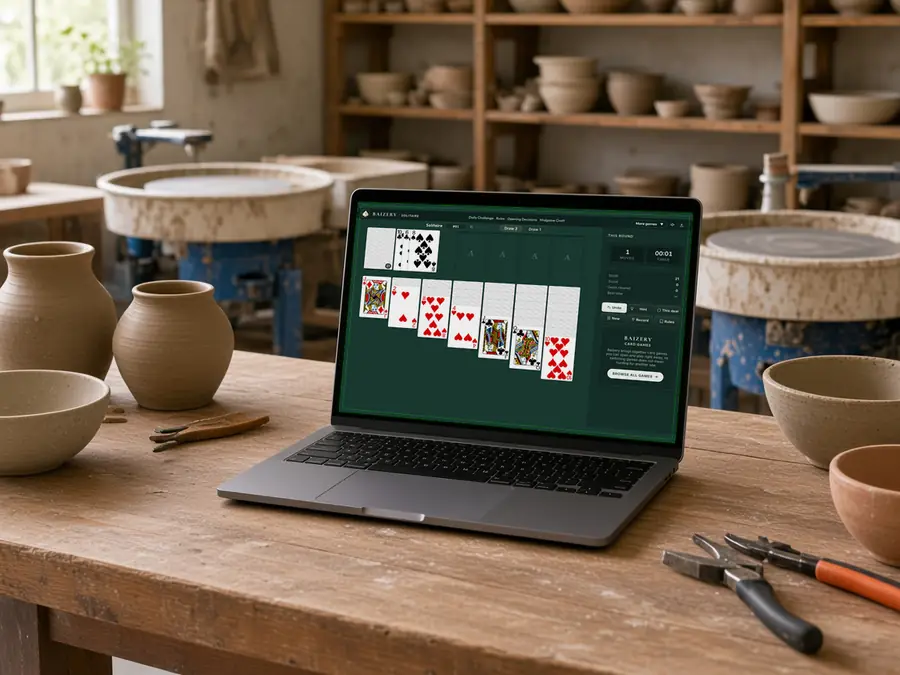
Undo is a midgame tool
If one extra pass just buried the only helper card, undo immediately. Midgame repairs are cheaper than late rescues. The move you need to save is often not the ending. It is the previous cycle.
Six checks under pressure
Waste Top Still AliveBefore another pass, can the waste top still move?
Hidden Cards Still ReachableIs there still a line that turns a hidden card without wrecking the King plan?
Empty Column Still HonestIs the empty space still being kept for a King-led rebuild?
Foundation Move Still SafeDoes sending this card home break a ladder you still need?
Recycle Worth the CostIn late Draw 3, does this recycle buy a route or only buy time?
Do Not Cash Out EarlyAre the remaining cards really foundation-safe, or do they still hold the last working ladder together?
Midgame FAQ
Why can a hand die while there are still cards on the board?
Because the waste may have buried the connector, or the only empty column may have been spent on the wrong rank. The loss often happens before the board looks dead.
How do I tell that I sent cards to the foundations too early?
If the move removes the last landing spot for one color and does not buy a reveal in return, it was early.
Is Draw 1 easier in the midgame?
It is more forgiving because fewer waste cards hide under each other. Draw 3 asks for better patience and better memory.
When should I ignore a legal transfer?
When it burns the only empty column badly or blocks the only route to a hidden Ace.
Can Hint replace midgame judgment?
No. Hint gives a local suggestion. It does not replace waste-order discipline, recycle timing, or the King plan.
What is the fastest way to recover a tight hand?
Undo back to the bad pass or the bad empty-column fill, then restart from the point where the hand still had real information to work with.
Bring it back to the game
One habit under pressure
Before each waste pass, say why you are doing it: to reveal, to start the foundations, or because the waste top is dead. If you cannot say why, do not click yet. The most expensive midgame move is often the extra pass with no argument behind it.
Related reads
If recycling or King-space rules still feel vague, revisit the rules, then go back home and practice one midgame idea at a time. Once this part gets cleaner, a lot of positions that looked hopeless start to breathe again.